

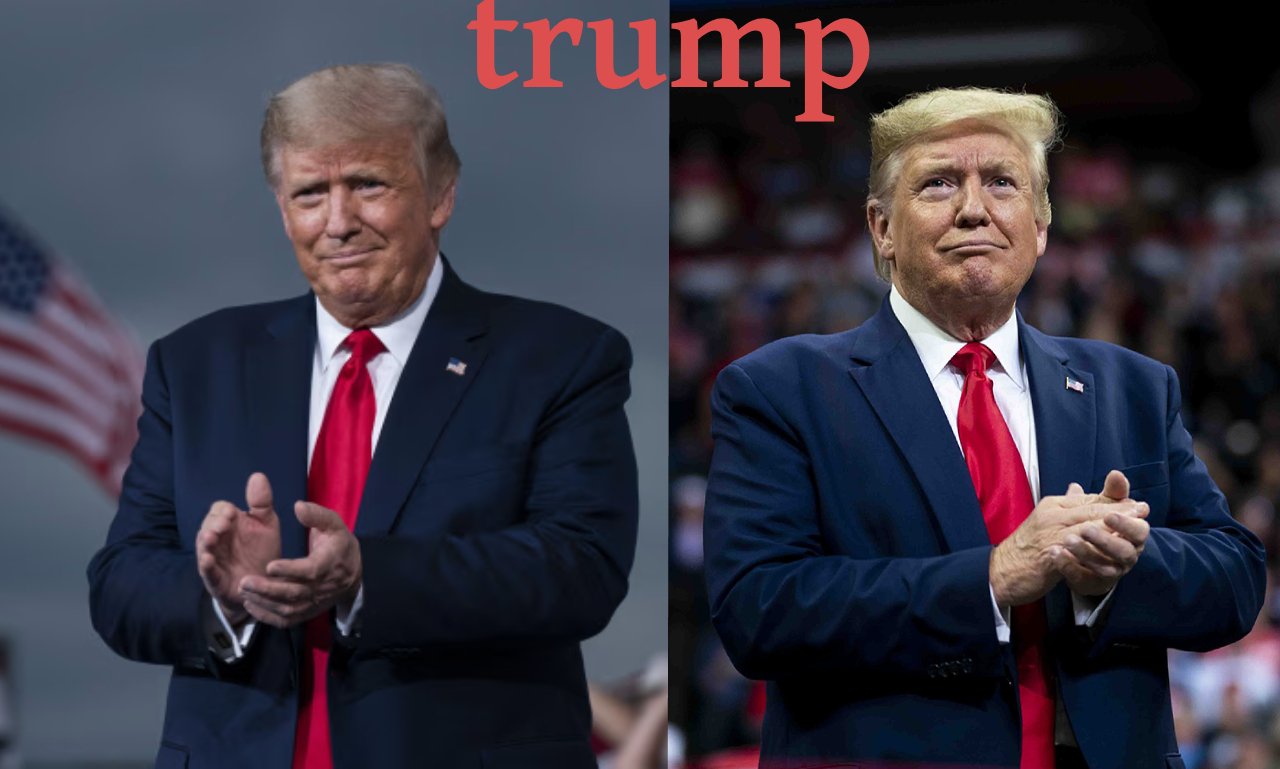
Trump Today: Policies, Influence, and Future Plans
Politics rarely stands still. Leaders rise, movements evolve, and public opinion shifts almost daily. Yet some figures continue to dominate headlines long after their first appearance on the political stage. Trump is one of those rare individuals whose name still sparks debate across newsrooms, social media platforms, and dinner tables around the world.
Whether someone supports him strongly or disagrees with his views, one fact is difficult to deny: Trump changed the way modern politics operates. From campaign strategy to media communication, his approach has influenced political leaders far beyond the United States.
Today, Trump remains a central figure in discussions about leadership, policy reform, economic direction, and national identity. Supporters often see Trump as a bold reformer who challenged the political establishment. Critics, on the other hand, argue that his style disrupted long-standing traditions of governance.
This guide explores Trump today, focusing on his policies, influence, and possible future plans. We will examine his political journey, leadership style, economic strategies, media presence, and what his continued role may mean for the future of American politics.
Trump Biography Overview
Before exploring Trump’s political influence and policies, it helps to understand his background and career journey.
| Field | Information |
|---|---|
| Full Name | Donald John Trump |
| Date of Birth | June 14, 1946 |
| Age | 79 (as of 2026) |
| Profession | Politician, Businessman, Media Personality |
| Nationality | American |
| Net Worth (approx.) | Estimated several billion USD |
| Notable Works / Achievements | 45th President of the United States, Real estate developer, Television personality, Author |
Trump’s career began in business, particularly in the real estate industry. Over time, he expanded his brand into entertainment, media, and eventually politics.
The Early Career of Trump
Long before entering politics, Trump built a reputation as a businessman. His family was already involved in real estate development, and he eventually expanded those projects into larger ventures.
Throughout the 1980s and 1990s, Trump became known for:
-
Luxury real estate developments
-
High-profile business deals
-
Branding and marketing ventures
-
Media appearances and interviews
In addition, Trump gained widespread recognition through television. His appearance in reality television strengthened his public profile and helped build a personal brand recognized across the United States.
However, Trump’s interest in politics gradually increased over the years. By the early 2000s, he had begun speaking more frequently about national policy, economic issues, and government leadership.
Trump’s Entry into Politics
Trump officially entered presidential politics in 2015. His campaign announcement immediately captured public attention.
Unlike traditional politicians, Trump focused on direct messaging and bold statements. His campaign strategy relied heavily on rallies, media coverage, and social media communication.
Key Campaign Themes
During the presidential campaign, Trump emphasized several central themes:
-
Economic growth and job creation
-
Trade reform and fair trade agreements
-
Border security and immigration policy
-
Government accountability
-
Strong national identity
These ideas resonated with millions of voters who believed the political system needed significant change.
As a result, Trump quickly became one of the most discussed candidates in the presidential race.
Trump’s Presidency and Major Policies
Trump’s presidency marked a turning point in American political strategy. His administration focused on several major policy areas that continue to shape political discussions today.
Economic Policies and Tax Reform
One of the most widely discussed policies during the Trump administration involved tax reform and economic development.
Trump promoted policies designed to encourage business investment and economic expansion. His economic agenda included:
-
Corporate tax reductions
-
Business deregulation
-
Manufacturing growth incentives
-
Energy independence initiatives
-
Job creation programs
Supporters argue these policies strengthened economic confidence and encouraged business expansion.
However, critics debated whether some economic policies increased the federal deficit or favored large corporations.
Immigration and Border Security
Another central issue during Trump’s presidency was immigration.
Trump consistently emphasized stronger border control and immigration enforcement.
Key policy discussions included:
-
Border security initiatives
-
Immigration law enforcement
-
Asylum policy changes
-
Visa program reviews
-
Immigration system reform
Because immigration directly affects national identity, workforce policy, and economic growth, Trump’s approach generated strong reactions across the political spectrum.
Trade and Global Economic Policy
Trump also reshaped the United States approach to international trade.
Instead of maintaining many existing agreements unchanged, Trump favored renegotiation and new deals that prioritized American economic interests.
Major trade themes included:
-
Protecting domestic manufacturing
-
Addressing trade deficits
-
Negotiating bilateral agreements
-
Reviewing international economic partnerships
These policies influenced discussions about globalization and national economic strategy worldwide.
Trump’s Unique Communication Style
One of the most distinctive aspects of Trump’s leadership has been his communication strategy.
Unlike many traditional politicians, Trump relied heavily on direct public messaging.
Social Media and Political Messaging
Trump used social media platforms extensively to communicate with the public.
This approach allowed him to:
-
Speak directly to voters
-
Respond quickly to news events
-
Shape political narratives
-
Mobilize supporters instantly
As a result, Trump helped redefine how political leaders interact with citizens in the digital era.
Relationship with News Media
Trump’s relationship with traditional news organizations has often been tense. He frequently criticized certain media outlets and questioned their reporting.
This dynamic sparked intense debates about:
-
Media bias
-
Freedom of the press
-
Political communication
-
Public trust in journalism
Regardless of perspective, Trump’s interaction with media outlets dramatically changed the tone of political communication.
Trump’s Support Base
Trump’s political support comes from a diverse group of voters across the United States.
Common supporters often include:
-
Conservative voters
-
Rural communities
-
Small business owners
-
National security advocates
-
Working-class voters
Many supporters believe Trump represents a challenge to traditional political elites.
They often praise his willingness to confront established institutions and push for economic nationalism.
At the same time, critics argue that Trump’s rhetoric sometimes intensifies political division.
This divide contributes to Trump’s reputation as one of the most polarizing political figures in modern history.
Global Impact of Trump
Although Trump is primarily an American political leader, his influence extends beyond the United States.
International Political Influence
Trump’s political messaging inspired discussions in many countries about nationalism, immigration policy, and economic protection.
Some political movements adopted strategies similar to those used by Trump, such as:
-
Direct communication with voters
-
Strong national identity messaging
-
Anti-establishment campaign strategies
Because of this global influence, many political analysts study Trump when examining modern populist movements.
Foreign Policy Strategy
Trump’s foreign policy often emphasized negotiation and national interest.
Major themes included:
-
Reassessing international alliances
-
Encouraging greater defense spending among allies
-
Prioritizing economic diplomacy
-
Addressing global security challenges
Supporters argue that Trump focused on strengthening national sovereignty. Critics sometimes describe his foreign policy as unpredictable.
Trump’s Continued Political Influence
Even after leaving the presidency, Trump continues to play a significant role in American politics.
His public speeches, endorsements, and campaign activities continue to influence political discussions.
Role in the Republican Party
Trump remains a powerful voice within the Republican Party.
Many candidates seek his endorsement, recognizing that his support can strongly influence primary elections.
Because of this influence, Trump continues shaping party strategy and political messaging.
Impact on Campaign Strategy
Trump’s campaign style changed how modern political campaigns operate.
Key campaign tactics associated with Trump include:
-
Large campaign rallies
-
Direct voter communication
-
Strong personal branding
-
High-visibility media presence
Today, many political strategists study Trump’s approach when designing campaign strategies.
Possible Future Plans for Trump
Political observers often speculate about Trump’s future role in politics.
Possible directions include:
-
Continued political campaigning
-
Supporting allied candidates
-
Influencing party leadership
-
Remaining active in public debate
Although predictions vary, one thing remains clear: Trump will likely continue shaping political conversations for years.
Lessons from Trump’s Political Career
Trump’s political journey provides several insights into modern leadership and communication.
Important lessons include:
-
The power of direct communication with voters
-
The importance of personal branding in politics
-
The influence of social media on political narratives
-
The role of outsider candidates in challenging established systems
These lessons have influenced political campaigns around the world.
Why Trump Still Dominates Headlines
Few modern political figures maintain media attention as consistently as Trump.
Several factors explain this continued visibility:
-
His bold communication style
-
His strong supporter base
-
His controversial policy positions
-
His continued political involvement
Because of these factors, Trump remains one of the most widely discussed figures in global politics.
Conclusion
Trump’s influence on modern politics is significant and complex. From his early career as a businessman to his role as president and political leader, Trump reshaped political communication, campaign strategy, and policy debates.
His policies on economic growth, immigration, trade, and national identity continue to shape discussions across the political landscape. At the same time, Trump’s communication style and media strategy changed how politicians connect with voters.
Whether people admire his leadership or criticize his methods, Trump remains a central figure in contemporary political history.
As political debates continue to evolve, Trump’s influence will likely remain an important topic for journalists, historians, and voters alike.
What are your thoughts on Trump’s policies and future role in politics? Share your opinion and join the conversation about one of the most influential political figures of the modern era.