

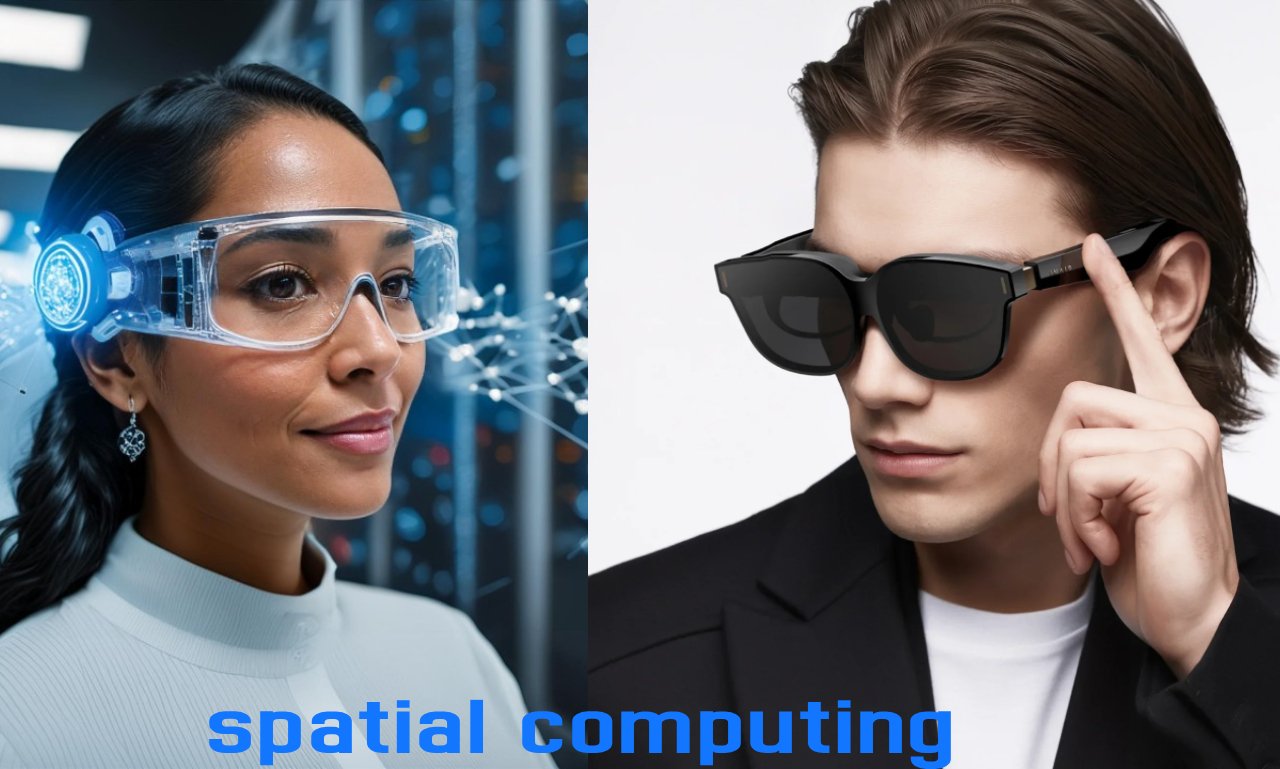
Spatial Computing News Today: 5 Trends Shaping 2026
The world of technology is evolving faster than ever, and Spatial Computing News Today highlights just how transformative this field has become. From augmented reality overlays to virtual workspaces, spatial computing is no longer a niche concept. It’s shaping industries, influencing design, and redefining how humans interact with digital environments.
In 2026, understanding spatial computing trends is essential for tech enthusiasts, developers, and businesses looking to stay ahead. The convergence of artificial intelligence, 3D mapping, and immersive technologies is driving unprecedented innovation. If you’ve ever wondered where the future of computing is headed, Spatial Computing News Today provides an invaluable lens.
This article explores five key trends in spatial computing that are expected to dominate 2026, illustrating why businesses and consumers alike should pay attention.
Understanding Spatial Computing
Before diving into the trends, it’s important to clarify what spatial computing is. Spatial computing combines elements of augmented reality (AR), virtual reality (VR), mixed reality (MR), and AI-powered environments to create interactive three-dimensional digital spaces.
Core Components of Spatial Computing
-
3D Mapping: Capturing real-world environments in three dimensions
-
Augmented Reality: Overlaying digital information onto physical spaces
-
Virtual Reality: Creating fully immersive digital worlds
-
Artificial Intelligence: Enhancing interaction and adaptability
-
Edge Computing: Processing data closer to the user for real-time performance
By integrating these elements, spatial computing bridges the gap between digital and physical worlds, enabling applications ranging from gaming and entertainment to enterprise-level productivity tools.
Trend 1: AR-Enhanced Workspaces
One of the most impactful developments in 2026 is the rise of augmented reality workspaces. Organizations are moving beyond traditional screens and keyboards, leveraging spatial computing to design interactive environments for employees.
Key Developments
-
Immersive Collaboration: Teams can work together in virtual offices, seeing shared 3D models in real time
-
Digital Twin Workspaces: Employees interact with a virtual replica of their physical office, improving planning and resource management
-
Enhanced Training: Spatial computing allows realistic simulations for onboarding and skill development
For example, an engineering team can manipulate a 3D model of a new product from multiple locations, eliminating the need for physical prototypes and accelerating development cycles.
Trend 2: AI-Driven Spatial Experiences
Artificial intelligence continues to redefine spatial computing applications. In 2026, AI-powered environments are making experiences smarter, more intuitive, and personalized.
Applications
-
Predictive Analytics: AI anticipates user behavior in virtual spaces, optimizing interactions
-
Adaptive Environments: Spaces adjust in real time based on user preferences and context
-
Intelligent Avatars: Virtual assistants guide users through complex simulations or learning modules
The integration of AI ensures that spatial computing is not just visually immersive but also cognitively engaging, offering tailored experiences that adapt to each user.
Trend 3: Gaming and Entertainment Immersion
Spatial computing is revolutionizing entertainment in ways that traditional gaming could never match. In 2026, AR and VR games provide full-body immersion, blending physical and digital realities.
Key Innovations
-
Mixed-Reality Arenas: Players interact in physical spaces augmented with dynamic digital elements
-
Haptic Feedback Integration: Advanced suits and controllers simulate touch, temperature, and motion
-
Persistent Worlds: AR/VR environments maintain changes across sessions, allowing continuous storylines
For instance, a multiplayer adventure game might integrate your living room into the virtual world, transforming furniture and walls into interactive gameplay elements.
Trend 4: Spatial Computing in Healthcare
Healthcare is another sector rapidly adopting spatial computing. The integration of AR, VR, and AI has enabled new treatment methods, training opportunities, and patient engagement strategies.
Examples
-
Surgical Simulations: Surgeons practice procedures in realistic 3D models before operating
-
Remote Consultations: Doctors and patients interact in immersive environments, enhancing clarity and understanding
-
Therapeutic Applications: VR-based therapies aid in pain management, mental health, and physical rehabilitation
Spatial computing ensures healthcare professionals can train, plan, and execute with precision, while patients gain more engaging and effective care experiences.
Trend 5: Spatial Commerce and Retail Innovation
In 2026, retail is transforming through spatial computing. Shoppers can interact with products in immersive ways, bridging the gap between online and physical stores.
Key Features
-
Virtual Try-Ons: AR mirrors and apps let customers visualize clothing, accessories, or furniture in real time
-
Interactive Showrooms: Spatial computing allows exploration of entire stores from home
-
Enhanced Product Discovery: AI-driven recommendations within 3D spaces improve engagement and sales
Companies that embrace these innovations create memorable shopping experiences that go beyond simple transactions, encouraging longer engagement and higher conversion rates.
Table: Spatial Computing Applications by Sector
| Sector | Key Use Cases |
|---|---|
| Enterprise | Virtual offices, 3D collaboration, training simulations |
| Healthcare | Surgical training, immersive therapy, patient consultations |
| Entertainment | AR/VR gaming, mixed-reality experiences, haptic integration |
| Retail | Virtual try-ons, 3D showrooms, personalized shopping |
| Education | Interactive learning, virtual labs, remote classrooms |
The Future Outlook
Spatial Computing News Today indicates that the technology is only going to expand. By integrating AI, AR/VR, edge computing, and cloud technologies, spatial computing will influence nearly every industry.
Key future directions include:
-
Hyper-realistic virtual environments for training, entertainment, and collaboration
-
Cross-platform interoperability allowing seamless transition between devices
-
AI-driven spatial data analytics providing insights for business and research
-
Scalable consumer adoption through lighter hardware and improved affordability
Businesses that invest early in spatial computing will likely gain a competitive edge, while consumers will benefit from richer, more intuitive experiences.
Challenges and Considerations
Despite rapid growth, spatial computing faces several challenges:
-
Hardware Limitations: Devices need to be lightweight, affordable, and powerful
-
Privacy Concerns: Immersive environments collect extensive data about user behavior
-
Content Creation: High-quality 3D content requires specialized skills
-
Standardization: Consistent standards are needed for cross-platform interoperability
Addressing these issues is critical for sustaining adoption and maximizing the benefits of spatial computing in 2026 and beyond.
Conclusion
Spatial Computing News Today highlights how this technology is reshaping industries and daily life in 2026. From AR-enhanced workspaces to AI-driven virtual experiences, gaming, healthcare, and retail, spatial computing is more than a trend—it’s a transformative shift in how humans interact with digital and physical environments.
Understanding these five key trends provides a roadmap for businesses, developers, and consumers eager to embrace the future. Whether you’re designing immersive apps, exploring virtual collaboration, or enhancing customer engagement, spatial computing opens doors to limitless possibilities.
The world is moving toward increasingly integrated, intelligent, and interactive spaces. Staying informed through Spatial Computing News Today ensures you remain ahead of the curve in this exciting technological frontier.
By exploring these trends and engaging with the latest developments, you can anticipate the future of spatial computing and leverage it for innovation, creativity, and growth.