
Harajuku Style: Ultimate Guide to Japanese Fashion
When you think of Japanese fashion, one vibrant, eclectic neighborhood often comes to mind: Harajuku. Known for its colorful streets, bold outfits, and a culture of creativity, Harajuku Style has captivated fashion lovers worldwide. But what exactly is Harajuku fashion, and why has it remained such a defining trend for decades?
In this guide, we’ll explore the history, aesthetics, key trends, and how to incorporate Harajuku Style into your own wardrobe. Whether you’re a fashion enthusiast, a curious traveler, or someone looking to reinvent your look, understanding Harajuku fashion opens doors to self-expression, creativity, and individuality.
What Is Harajuku Style?
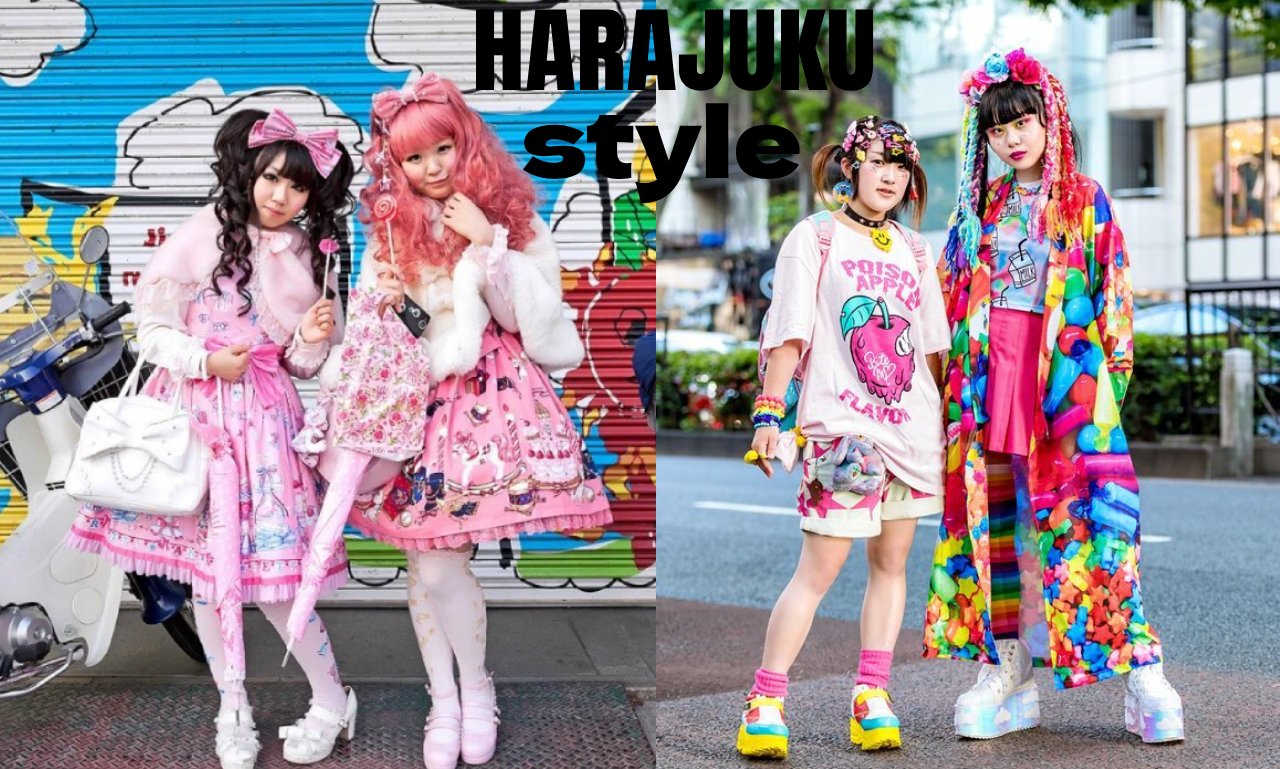
Harajuku Style refers to the fashion culture that emerged in the Harajuku district of Tokyo, Japan. Unlike mainstream fashion, it’s not about following rules—it’s about standing out. Think bold colors, unusual accessories, layered clothing, and a mix of vintage and modern trends.
The style is diverse, including multiple subcultures like:
- Lolita Fashion: Victorian-inspired, frilly dresses
- Gyaru: Glamorous and youthful looks with bold makeup
- Decora: Layers of colorful accessories and playful outfits
- Visual Kei: Punk-rock inspired attire with dramatic makeup
Each subculture contributes to the eclectic and expressive nature of Harajuku fashion. At its heart, the style celebrates individuality, creativity, and fun.
History of Harajuku Fashion
Harajuku fashion started gaining attention in the 1970s and 1980s as Tokyo became a hub for youth culture. Street fashion flourished as teenagers experimented with Western influences and traditional Japanese styles.
Key historical points include:
- 1970s: Youth culture begins exploring unique street styles
- 1980s: Emergence of boutiques and independent designers in Harajuku
- 1990s: Lolita and Visual Kei subcultures gain prominence
- 2000s: Global attention through magazines, social media, and fashion blogs
Over the years, Harajuku has become a symbol of creativity, freedom, and the rejection of rigid fashion norms. Even today, it continues to influence designers, influencers, and pop culture worldwide.
Core Elements of Harajuku Style
Despite its diversity, certain features define Harajuku Style:
1. Layering
Layering is essential. Harajuku outfits often mix skirts, jackets, tights, and accessories to create visually striking looks. Multiple textures and patterns add depth and individuality.
2. Bold Colors and Prints
Pastels, neon, and contrasting colors are hallmarks of the style. Patterns can include florals, stripes, polka dots, or even cartoon characters—anything that makes a statement.
3. Unique Accessories
Accessories are not just an afterthought; they are central. Think oversized bows, funky hats, colorful hair clips, statement jewelry, and quirky bags.
4. Playful Makeup and Hairstyles
Harajuku makeup varies by subculture—from doll-like faces in Lolita fashion to dramatic eyeliner in Visual Kei. Hairstyles are equally expressive, featuring bright colors, curls, and unique cuts.
5. DIY and Personal Expression
Many enthusiasts customize their outfits with DIY touches. Patches, pins, hand-painted shoes, and altered clothing reflect personal taste, making every look unique.
Popular Harajuku Substyles
Understanding the substyles helps you navigate Harajuku fashion and choose the one that fits your personality.
Lolita Fashion
Inspired by Victorian-era dresses, Lolita fashion is elegant and feminine. Key features include:
- Frilly dresses and petticoats
- Lace gloves and ribbons
- Knee-high socks or stockings
This substyle often focuses on pastel colors (Sweet Lolita) or darker tones (Gothic Lolita).
Gyaru
Gyaru fashion emphasizes glamour and youthfulness:
- Heavily styled hair, often dyed
- Bold makeup, including false eyelashes and nail art
- Trendy, eye-catching outfits with mini skirts or high heels
Gyaru exudes confidence and a party-ready vibe.
Decora
Decora is playful and childlike:
- Layered clothing in bright colors
- Tons of accessories, including bracelets, hair clips, and necklaces
- Cartoon and pop culture motifs
It’s a fun, whimsical approach, perfect for making a statement.
Visual Kei
Inspired by punk and rock music:
- Dramatic makeup and hairstyles
- Leather jackets, corsets, or platform boots
- Edgy, theatrical outfits
Visual Kei combines fashion with performance, creating a striking, bold aesthetic.
How to Incorporate Harajuku Style into Your Wardrobe
You don’t have to live in Tokyo to enjoy Harajuku Style. Here’s how to start:
Step 1: Start with a Base Outfit
Pick a simple skirt, pants, or top as your foundation. Neutral colors work well for beginners.
Step 2: Add Layers
Incorporate jackets, vests, or cardigans. Experiment with different textures and lengths.
Step 3: Play with Accessories
Hair bows, pins, hats, and jewelry transform basic outfits into Harajuku-inspired looks. Don’t be afraid to mix colors and patterns.
Step 4: Experiment with Makeup
Depending on the substyle, you can use subtle enhancements or bold artistic makeup. Eye-catching makeup completes the look.
Step 5: Personalize Your Look
Add DIY touches, unique shoes, or custom prints to reflect your personality. Remember, individuality is at the heart of Harajuku fashion.
Harajuku Fashion Trends in 2026
Harajuku fashion continues to evolve. Current trends include:
- Pastel Goth: Combining soft colors with edgy details
- Kawaii Streetwear: Cute, casual, and comfortable outfits
- Gender-Fluid Styles: Embracing outfits without strict gender norms
- Oversized Layers: Baggy clothes layered for creative, street-ready looks
- Tech-Infused Accessories: LED pins, smart bags, and digital prints
These trends show how Harajuku style remains innovative while honoring its eclectic roots.
Where to Shop for Harajuku Fashion
Whether online or in Tokyo, the right stores make a difference:
- Takeshita Street, Harajuku: Iconic shopping hub with boutiques and vintage shops
- Online Retailers: Platforms like Etsy or specialty Japanese fashion websites
- Thrift Stores: Perfect for DIY customizations and unique finds
Mixing thrifted and boutique pieces is common, reflecting the personalized nature of Harajuku Style.
Styling Tips for Everyday Wear
Even if you don’t want a full Harajuku outfit daily, you can incorporate elements subtly:
- Add a single bold accessory like a hair clip or bag
- Mix pastel or neon colors with everyday clothing
- Use statement shoes to add a playful touch
- Incorporate layered tops or skirts in casual outfits
This approach keeps your style fun while remaining wearable in everyday life.
Harajuku Style Influences on Global Fashion
Harajuku fashion has impacted designers and streetwear globally:
- Luxury brands have incorporated Lolita and Visual Kei aesthetics in runway collections
- Influencers showcase DIY Harajuku-inspired outfits on social media
- Pop culture, music videos, and anime have popularized colorful, playful looks
The influence shows that Harajuku Style isn’t just a Tokyo trend—it’s a worldwide cultural phenomenon.
Maintaining Your Harajuku Wardrobe
Because Harajuku outfits often involve layers, unique fabrics, and accessories, maintaining your wardrobe is important:
- Hand wash delicate items
- Store shoes and accessories carefully
- Rotate pieces to prevent wear and tear
- Keep DIY additions intact with gentle handling
Proper care ensures your outfits stay vibrant and functional.
Conclusion
Harajuku style is more than just clothing—it’s a lifestyle, a form of artistic expression, and a celebration of individuality. By understanding its roots, substyles, and key trends, you can incorporate elements of Harajuku Style into your wardrobe, whether subtly or boldly.
Embrace creativity, experiment with colors and layers, and let your fashion tell your story. Share your favorite Harajuku looks in the comments or show off your DIY-inspired outfits. Fashion, after all, is meant to be fun, expressive, and uniquely yours.